5 Signs You Have a Plumbing Emergency and Need to Act Fast
Not sure if your plumbing issue is an emergency? Here are 5 warning signs that mean you need a professional plumber immediately.
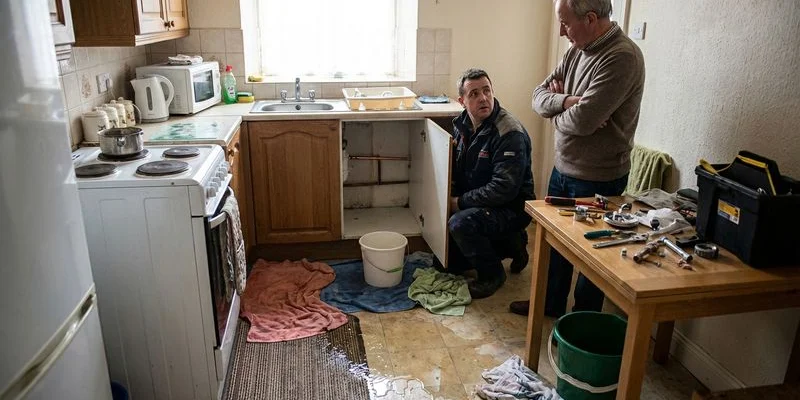
Winter in the northwest has a way of testing every limit of a home’s infrastructure. You might remember how Storm Darragh battered the coast in late 2024 or the sharp Arctic freeze that followed in January 2025. Events like these don’t just cancel school runs. They put massive strain on pipework and heating systems that may already be aging.
We see the aftermath of these weather events firsthand every year. The difference between a quick repair and a €15,000 restoration job often comes down to how quickly a homeowner reacts in the first hour. It is not just about shutting off the water. It is about knowing exactly which signs indicate a system failure versus a simple maintenance issue.
This guide outlines the 5 signs you have a plumbing emergency and need to act fast in County Sligo. We will also look at the practical steps you can take to limit the damage before our van pulls into your driveway.
1. A Burst or Severely Leaking Pipe
A burst pipe is the single most common cause of home insurance claims in Ireland, accounting for roughly 33% of all cases in 2024. The damage potential here is tied directly to water pressure and time. A standard mains pipe can pump out nearly 400 litres of water an hour. This volume destroys flooring, plasterboard, and electrical wiring in minutes.
We respond to these calls frequently between November and March. The cause is often water expanding inside uninsulated copper pipes during a freeze, which then splits the metal or pushes push-fit joints apart.
Immediate warning signs:
- Audible hissing or splashing: You can hear water running even when all taps and appliances are off.
- Visible spraying: Water is physically gushing from a joint, usually in the attic or under a sink.
- Pressure drop: The flow at your kitchen tap suddenly becomes a trickle.
- Rapid damp spots: Wet patches appear and grow quickly on ceilings or drywall.
Pro-Tip: Finding Your Stopcock Most homeowners know they need to turn off the water, but few know exactly where the valve is. In many Sligo bungalows built between 1970 and 1990, the internal stopcock is often located under the kitchen sink. However, in some local authority housing or older terraces, you might find it in the hot press or even in a utility room cabinet. Locate this valve today. If it is seized, getting it replaced is a non-emergency job that will save you panic later.
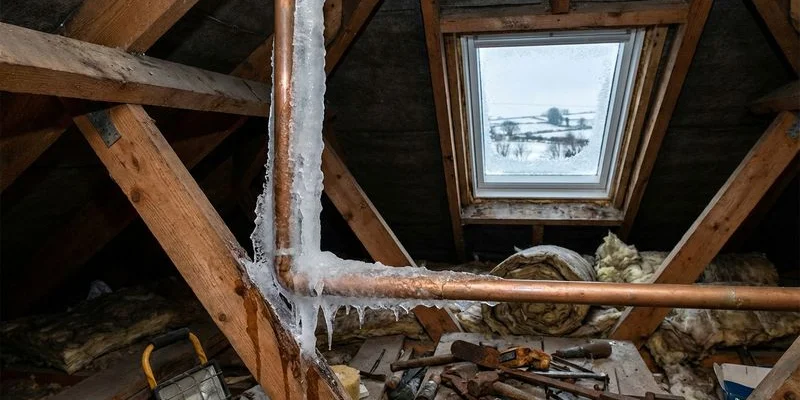
2. Complete Loss of Hot Water or Heating in Winter
A broken boiler is an inconvenience in July, but it is a genuine health risk during a Sligo winter. Current data shows that over 60% of homes in the border region still rely on oil for heating. This is a far higher percentage than in Dublin or the east coast. This heavy reliance on oil means we see specific issues that other parts of the country do not.
Why this is an emergency: If temperatures inside your home drop below 10°C, the risk of hypothermia for elderly residents or young children increases significantly. A complete system failure means your home cannot generate the heat needed to dry out dampness. This leads to condensation and mould growth within just 24 hours.
Troubleshooting Before You Call
You can sometimes resolve a lockout yourself without waiting for a technician.
| Issue | Symptom | Safe DIY Action |
|---|---|---|
| Boiler Lockout | Red light on the control panel. | Press the “Reset” button once. If it locks out again, do not press it a second time. Call a pro. |
| Low Pressure | Gauge reads below 1.0 bar. | Use the filling loop to top up pressure to 1.5 bar. |
| Condensate Freeze | White pipe outside is frozen. | Pour warm (not boiling) water over the pipe to thaw the plug. |
| Oil Airlock | Burner makes a roaring noise then stops. | Check your tank level. If you ran out recently, the line needs bleeding by a technician. |
Important Safety Note: Never attempt to open the casing of a gas or oil boiler. This is illegal and dangerous. Gas work must be performed by a Registered Gas Installer (RGI). Oil work should be handled by an OFTEC-registered technician. We carry both certifications to ensure your insurance remains valid.
3. Sewage Backing Up Into Your Home
This is the most hazardous plumbing emergency you can face. If water from your toilet, shower, or sink is not draining—or worse, is coming back up—you have a blockage in the main sewer line. This water is not just dirty. It contains biohazards like E. coli and Salmonella that can contaminate your home’s surfaces.
The Sligo Context: Old Clay Pipes Many period properties in Sligo town and older farmhouses still rely on clay drainage pipes installed before the 1970s. These pipes are brittle and prone to collapsing or being crushed by tree roots.
Recognizing the severity:
- Multiple clog sites: If flushing the toilet causes water to rise in the shower, the blockage is deep in the main line.
- Gurgling sounds: Air trapped by a blockage will bubble back up through other drains.
- Foul odours: A persistent smell of raw sewage near floor drains is an early warning sign of a breach.
We use high-pressure jetting and CCTV cameras to locate these blockages accurately. If the pipe has collapsed, excavation may be necessary. However, acting fast can sometimes allow for a “patch repair” liner instead of digging up your entire garden.
4. A Gas or Oil Leak
A gas leak is an immediate threat to life. If you smell the distinctive “rotten egg” odour of sulphur, you must evacuate the building immediately. Do not flip light switches, use your phone inside, or smoke.
Call Gas Networks Ireland immediately on 1800 20 50 50.
The Hidden Cost of Oil Leaks While gas is explosive, an oil leak is an environmental and financial disaster. A small leak from a cracked tank or feed line can spill kerosene into the soil. Environmental cleanup costs for oil spills in Ireland can easily exceed €20,000. Standard home insurance policies often have strict clauses regarding tank maintenance.
Check your tank regularly:
- Look for wet patches or discolouration on the concrete base.
- Smell for strong kerosene odours in the garden.
- Monitor your usage. A sudden drop in the gauge without heavy heating use indicates a leak.
Insider Tip: Tap your oil tank gauge gently. Old float gauges often get stuck. A gentle tap can reveal the true level and help you spot a sudden drop that you might have missed.
5. No Running Water at All
Turning on a tap to find nothing coming out is alarming. Before you panic, you need to determine if the issue is inside your house or on the public network.
Step 1: Check the Neighbourhood Look out the window or send a text to a neighbour. If they have lost water too, the issue is likely a mains burst or a planned outage by Uisce Éireann. You can check their “Water Supply Updates” map online to confirm.
Step 2: Check Your Internal System If your neighbours have water, the problem is local to you.
- Frozen Supply Pipe: Common in January and February. The pipe entering your home (usually under the kitchen sink) may be frozen.
- Pump Failure: If you live in a rural bungalow with a private well or a pressurised system, your electric pump may have tripped or failed. Check the fuse board.
- Hard Water Scale: Sligo has areas of moderately hard water, such as those supplied by the Riverstown scheme (320 mg/L). Over time, limescale can seize up isolation valves or block the inlet to your cold water tank.
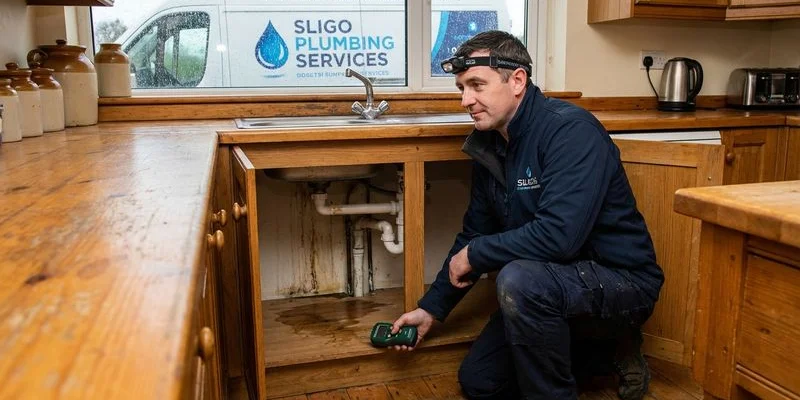
What to Do When You Spot These Signs
Speed is your best defence against rising repair costs. Taking the right steps in the first 10 minutes can save your carpets, your floorboards, and your sanity.
- Isolate the Water: Turn off the mains stopcock immediately.
- Kill the Power: If water is leaking near sockets or light fixtures, switch off the electricity at the fuse board.
- Protect the Boiler: Turn off your heating controls to prevent the boiler from firing up without water pressure.
- Clear the Area: Move furniture, rugs, and valuables to a dry room.
- Document Everything: Take clear photos of the source of the leak and the damage before you start mopping up. Your insurance adjuster will need this evidence.
Acting Fast Matters
Water damages property on a curve. The first hour creates surface water. The first 24 hours allow water to soak into structural joists and plaster. After 48 hours, in our damp Atlantic climate, mould spores begin to germinate. Professional drying equipment is often needed to save a property once that 48-hour mark is passed.
Need an Emergency Plumber in Sligo?
You do not have to face a plumbing disaster alone. We provide emergency plumbing services across Sligo, from the town centre to the rural coast, ensuring you have expert help when you need it most. Our team carries the parts and equipment to handle burst pipes, boiler failures, and drainage issues on the first visit.
Call us now on 087 341 0745. We are ready to help you get your home warm, dry, and safe again.
Need a Plumber in Sligo?
Our team is available 24/7 for emergency and scheduled plumbing services across County Sligo.