6 Warning Signs of a Blocked Drain You Should Not Ignore
Slow drains, bad smells, or gurgling pipes? These 6 warning signs indicate a drain blockage that needs professional attention before it gets worse.
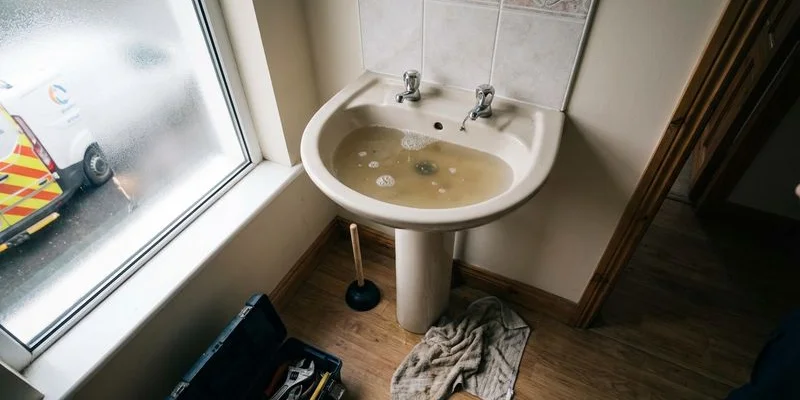
A blocked drain rarely happens without a warning.
Water backing up into your sink, bath, or shower is the final stage of a problem that has likely been brewing for weeks. Most blockages develop gradually. They send out specific signals long before you face a full-blown emergency.
We have handled thousands of call-outs across County Sligo. In almost every major backup case, the homeowner recalls seeing one of these early signs but waiting too long to act. Catching these indicators early saves you from the mess of a sewage overflow and the high cost of emergency excavation.
Here is exactly what our team looks for when diagnosing a system, and how you can spot these issues yourself.
1. Slow-Draining Water
This is the most common early warning sign. Water that used to drain instantly now pools in the basin or shower tray, taking several minutes to disappear.
The Mechanics: A partial blockage is restricting the pipe’s diameter. In kitchen sinks, this is usually a mix of grease and food particles known as FOG (Fat, Oil, Grease). In bathrooms, soap scum and hair bind together to form a stubborn mass.
Actionable Steps:
- The Boiling Water Test: Pour a kettle of boiling water down the drain. If it clears a kitchen blockage, it was likely simple grease.
- Enzyme Cleaners: We recommend using an enzyme-based cleaner like Ecozone or HG Kitchen Drain Unblocker. These products use biological agents to digest fat rather than burning the pipe with chemicals.
- Avoid Caustic Soda: Old heavy-duty chemicals can generate heat that warps plastic piping common in Irish homes built after 1980.
Quantified Comparison: Chemical vs. Enzyme Cleaners
| Feature | Chemical Cleaners (Caustic) | Enzyme Cleaners (Biological) |
|---|---|---|
| Speed | Instant reaction (15-30 mins) | Slow action (Requires overnight) |
| Pipe Safety | High risk of heat damage | Safe for all pipe types |
| Environmental | Toxic to aquatic life | Biodegradable |
| Best For | Total blockages (Emergency) | Maintenance and slow drains |
Do not ignore it. A slow drain always progresses to a stopped drain. In 2025, a standard call-out for a minor blockage typically costs between €80 and €130. Ignoring it until the pipe collapses or requires high-pressure jetting can push costs above €350.
2. Unpleasant Smells
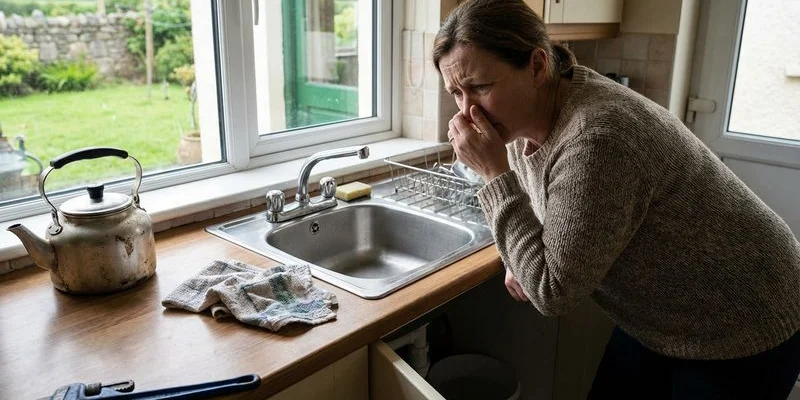
Foul odours are a clear indicator that organic material is rotting inside the pipework.
Diagnosing by Smell:
- Rotten Food: Debris is rotting in the U-bend or trap immediately under the sink.
- Musty/Damp: Biofilm (a bacterial slime) has coated the vertical pipes.
- Sulfur (Rotten Eggs): This is hydrogen sulfide gas. It indicates a breach in the main sewer line or a dried-out trap allowing gases to escape.
The “Guest Bathroom” Syndrome: In many County Sligo homes, guest bathrooms or en-suites often sit unused for weeks. The water in the trap evaporates. This water seal is the only thing stopping sewer gas from entering your home. Running the tap for 30 seconds refills the trap and often stops the smell immediately.
Insider Tip: If the smell persists, try the “Peppermint Oil Test.” Pour hot water mixed with peppermint oil down the stack vent on your roof (if accessible safely). If you smell peppermint inside the house, you have a cracked pipe or a loose seal letting gas escape.
3. Gurgling Sounds
Your drains should be relatively silent. A gurgling or “glugging” sound from a plughole or toilet is the sound of your plumbing gasping for air.
The Physics: Water flowing down a pipe pushes air in front of it. If a blockage restricts the flow, that air gets trapped and bubbles back up through the water seal, creating the gurgling noise. This suggests the blockage is not right at the plughole, but further down the line.
Pinpointing the Location:
- Localized Gurgle: If the sink gurgles only when you empty that specific sink, the blockage is in the immediate waste pipe.
- Systemic Gurgle: If the toilet bubbles when you drain the bath, the issue is in the main stack or sewer line.
Systemic gurgling is dangerous. It means the main exit for your home’s waste is compromised. We often find this is caused by a blocked vent pipe (soil stack), sometimes due to bird nests or debris capping the roof vent.
4. Water Backing Up
When water appears in a fixture you are not using, you have a critical failure in the main line.
Common Scenarios:
- The Shower Rising: You flush the toilet, and water rises up through the shower plughole.
- The Kitchen Surge: The washing machine drains, and dirty water fills the kitchen sink.
- The Toilet Fill: The water level in the toilet bowl rises unusually high and drains very slowly.
The Path of Least Resistance: Waste water cannot exit the property, so it forces its way back to the nearest opening. In a two-story house, this often manifests in ground-floor showers or toilets first.
Health Warning: This is an urgent situation. The water backing up is not just dirty; it is categorized as “black water.” It may contain raw sewage, E. coli, and Salmonella. Contacting a professional immediately is necessary to prevent contamination of your flooring and walls.
5. Damp Patches or Pooling Water Outside
Many drainage issues occur outside the four walls of your house.
External Warning Signs:
- Soggy Ground: Unexplained wet patches on the lawn, even when it hasn’t rained.
- Lush Grass: Patches of grass that are greener and taller than the rest of the lawn (sewage acts as a fertilizer).
- Subsidence: Sunken paving stones or tarmac along the line of the drain.
Regional Context: In County Sligo, heavy rainfall is normal. Met Éireann data noted that recent springs have seen rainfall well above the long-term average. However, pooling water that smells foul or persists during dry spells is a leak, not rain.
Septic Tank Failures: Many rural properties in Sligo rely on septic tanks. A 2023 report by the Environmental Protection Agency (EPA) found that 49% of septic tanks inspected in Ireland failed. The main causes were structural defects and lack of maintenance. If you see pooling water near your percolation area, your tank system may be failing.
6. Recurring Blockages
A drain that blocks, clears, and then blocks again within a few weeks has a structural defect.
Why Unblocking Isn’t Enough: Plunging or rodding only pokes a hole through the debris. It does not fix the underlying cause that traps the debris in the first place.
Common Structural Causes:
- Tree Root Intrusion: Roots seek out moisture. A tiny crack in a clay pipe is enough for a root to enter, grow, and fill the pipe diameter.
- Pitch Fibre Deformation: Homes built in the 1960s and 70s often used pitch fibre pipes. These have a lifespan of about 40-50 years and are now collapsing or blistering across Ireland.
- Collapsed Joints: Ground movement shifts pipes, creating a “lip” that catches toilet paper and solids.
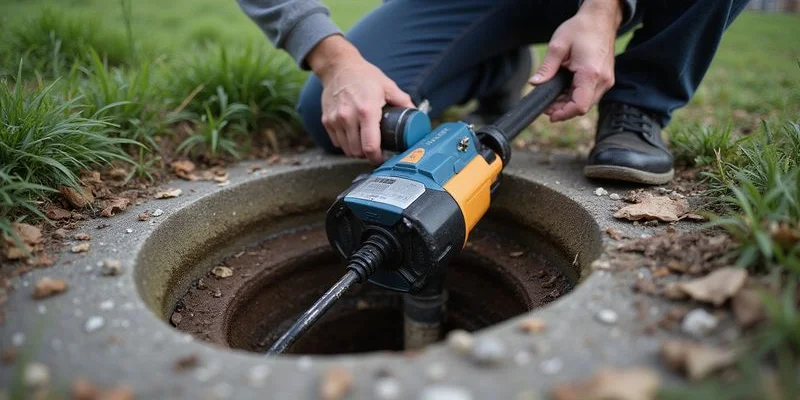
We use CCTV drain surveys to diagnose these issues. High-definition cameras, such as the Mini-Cam Solo, allow us to see the exact condition of the pipe wall without digging up your garden.
What Causes Drain Blockages in Sligo Homes?
Our data from local call-outs points to a few consistent offenders.
The “Big Three” Blockers:
- FOG (Fats, Oils, Grease): When hot grease cools, it solidifies like concrete in the pipes.
- “Flushable” Wipes: Uisce Éireann (Irish Water) reports that wipes cause thousands of blockages annually. They do not disintegrate like toilet paper.
- Hair: This is the primary cause of bathroom clogs, often binding with soap residue.
Prevention Tip: Install simple mesh strainers in your sink and shower plugholes. These cost less than €5 and catch 90% of the debris that causes blockages.
Act Early, Save Money
Recognizing these six signs allows you to act before a disaster occurs.
Small interventions prevent large expenses. A simple enzymatic cleaning schedule cost less than €20 a year. In contrast, excavating a collapsed drain caused by long-term neglect can cost thousands.
Under the Water Services Act 2007, homeowners are responsible for the drains within their property boundary. If you spot these signs, do not wait for the sewage to appear on your bathroom floor. Contact Emergency Plumber Sligo for professional drain diagnosis.
We utilize industrial-grade equipment to resolve these issues permanently. Our vans are equipped with 4000psi high-pressure jetting units that scour pipes clean, removing scale, grease, and roots.
Call us on 087 341 0745 to schedule an inspection today.
Need a Plumber in Sligo?
Our team is available 24/7 for emergency and scheduled plumbing services across County Sligo.