How to Prevent Blocked Drains at Home: 8 Practical Tips
Blocked drains are preventable. Follow these 8 simple tips to keep your drains flowing freely and avoid expensive emergency call-outs.
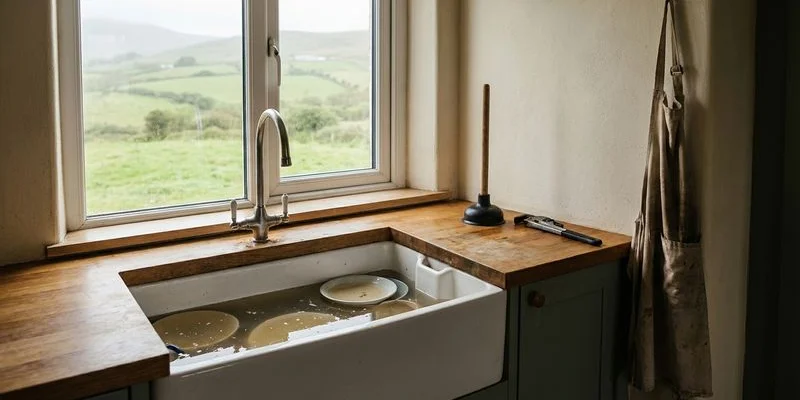
Blocked drains are a constant headache for property owners across County Sligo. We find that the vast majority of these issues are entirely preventable. Most blockages don’t happen overnight; they are the result of small, daily habits that build up over weeks until you’re facing a sudden backup.
The good news is that you don’t need expensive equipment to keep your pipes clear. From our experience, a few simple changes to your routine can save you from the stress and cost of an emergency call-out.
Let’s look at the data, what it’s actually telling us about our drainage habits, and then explore eight practical ways you can protect your home.
1. Never Pour Cooking Fat or Grease Down the Sink
This is the single biggest cause of kitchen drain blockages we encounter in Sligo. A 2022 survey for the “Think Before You Pour” campaign found that 3 out of 10 people still pour fats, oils, and greases (FOGs) down the sink. When hot grease goes down the plughole, it might look like a harmless liquid. However, as it travels through your cold pipes, it rapidly cools and solidifies into a hard mass.
Uisce Éireann clears approximately 200 blockages every week from the national network, many of which are caused by these “fatbergs.” Over time, this grease coating restricts the flow of water and traps food particles, creating a stubborn blockage that hot water alone cannot shift.
What to do instead:
- Use a “GunkPot”: Uisce Éireann often provides these reusable silicone containers, but any heat-proof jar works.
- Wipe before washing: Use a paper towel to wipe greasy pans thoroughly before they hit the sink water.
- Bin it, don’t pour it: Let cooking fat cool and solidify, then scrape it directly into your general waste bin.
2. Use Sink Strainers in Every Plughole
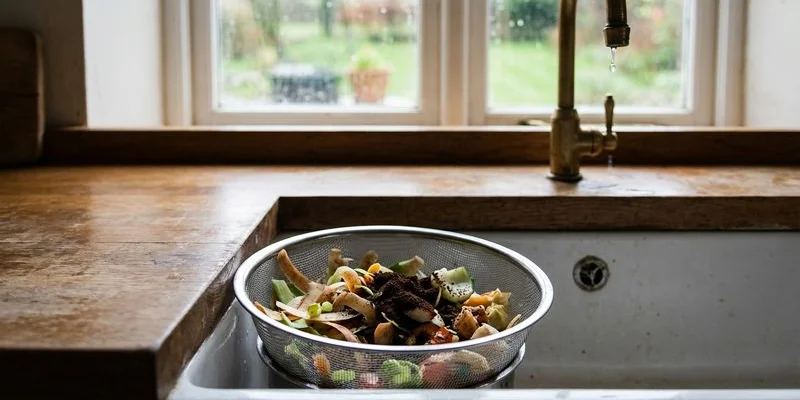
We often tell homeowners that a €3 investment can save them hundreds in plumbing fees. A simple stainless steel mesh strainer is your first line of defense against debris. You can pick these up for around €2.50 to €3.00 at local hardware shops like Woodie’s or Lenehans.
What they catch:
- Food scraps and vegetable peelings in the kitchen.
- Hair and soap residue in the bathroom (hair is a major culprit in shower blockages).
- Small objects like jewellery or bottle caps that accidentally drop.
Clean the strainers regularly. We recommend emptying the kitchen strainer after every meal and the bathroom strainer once a week.
3. Be Careful What You Flush
Toilets are designed to handle human waste and toilet paper—the “3 Ps” (Pee, Poo, and Paper). Yet, we constantly attend blocked toilets caused by the “Dirty Dozen,” a list of common offenders identified by Irish Water. In areas of Sligo with older clay drainage pipes, these items can snag on rough joints and cause rapid blockages.
Do not flush:
- Wet wipes: Even those labelled “flushable” do not break down quickly enough and are a leading cause of sewer blockages.
- Cotton buds and dental floss: These non-biodegradable items act like a net, catching other debris.
- Sanitary products: Tampons and pads expand when wet and can block pipes instantly.
- Paper towels: These are designed to hold together when wet, unlike toilet paper which is designed to dissolve.
4. Run Hot Water After Each Use
Running hot water is a simple habit that makes a measurable difference in pipe health. After washing up or rinsing dishes, run the hot tap for 15-20 seconds. This helps to flush any small amounts of grease and food residue through the system before they can settle and cool.
In the bathroom, this practice is equally important. Running hot water helps clear away soap scum and toothpaste residue, which can otherwise accumulate and narrow the pipe diameter over time.
5. Clean Your Drains Monthly
You don’t always need harsh chemicals to keep your drains flowing. We recommend a monthly preventative clean using household ingredients. This is safer for your pipes and the environment.
The Baking Soda Method vs. Chemical Cleaners
| Feature | Baking Soda & Vinegar | Chemical Gel (e.g., Mr Muscle) |
|---|---|---|
| Approx. Cost per Use | €0.50 - €0.80 | €4.50 - €7.00 (per bottle) |
| Safety | Safe for all pipes & septic tanks | Can damage older metal pipes |
| Environmental Impact | Low | High (toxic to aquatic life) |
| Best For | Maintenance & minor buildup | Emergency removal of organic clogs |
How to use the natural method:
- Pour half a cup of baking soda down the drain.
- Follow with half a cup of white vinegar.
- Let the mixture fizz for 15-20 minutes to break down mild grease and soap.
- Flush with a kettle of boiling water.
A word on chemical drain cleaners: While popular brands like Mr Muscle Power Gel are effective for tough clogs, they have significant drawbacks. They can corrode older pipe joints and kill the beneficial bacteria in septic tanks. If you must use them, follow the instructions strictly.
6. Keep Leaves and Debris Away from External Drains
County Sligo’s weather poses specific challenges for external drainage. With the increase in “pluvial flooding” (surface water flooding) noted by Sligo County Council in recent years, keeping external gullies clear is critical. Blocked external drains can cause rainwater to pool against your house, leading to damp and foundation damage.
Seasonal maintenance plan:
- Autumn: Clear fallen leaves from drain covers weekly.
- Winter: After heavy storms, check that gullies aren’t buried under debris.
- Spring: Remove moss and weeds growing around the drain grate.
Pro Tip for Tree Roots: If you are laying new pipes near trees, consider using a “copper sock” or root barrier fabric. Tree roots seek out moisture and can penetrate tiny cracks in clay pipes. The copper releases ions that naturally repel roots without killing the tree.
7. Maintain Your Septic Tank
Many rural properties in County Sligo rely on septic tanks. These systems require specific care to function correctly. A 2024 report by the EPA found that 56% of septic tanks inspected in Ireland failed to meet standards.
Key maintenance and grant information:
- Desludge regularly: Have the tank emptied every 1-2 years depending on your household size.
- Know the grants: As of January 1, 2024, the grant to repair or replace a malfunctioning septic tank has increased to €12,000. Crucially, the requirement to have registered your tank by 2013 has been removed, making more homeowners eligible.
- Protect the bacteria: Never pour bleach, paint, or engine oil down the drain. These kill the bacteria that break down waste.
A neglected tank is not just an environmental risk; it is a financial one. Regular maintenance is far cheaper than a full system replacement.
8. Know the Warning Signs
Catching a problem early can save you significant money. A standard drain unblocking service in Ireland typically costs between €120 and €180. However, if a problem is left to worsen and requires emergency out-of-hours attention or extensive CCTV surveys (which can cost €150-€300), the price rises steeply.
Watch for these indicators:
- Slow drainage: Water pools in the shower or takes a long time to leave the sink.
- Gurgling sounds: This indicates trapped air is being forced through the water seal.
- Unpleasant smells: A sulfur or sewage smell often signals a partial blockage or a dry trap.
- Water backing up: If flushing the toilet causes water to rise in the shower, you likely have a main line blockage.
If you notice any of these 6 warning signs of a blocked drain, it’s time to take action before the situation worsens.
When to Call a Professional
While prevention is powerful, some situations require expert intervention. You should call a professional if:
- Multiple drains are backing up simultaneously.
- You suspect tree roots have breached the pipework.
- You have tried the methods above and the blockage returns immediately.
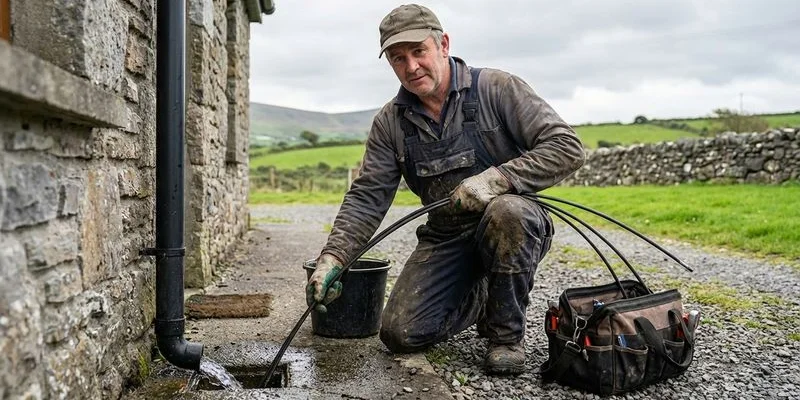
A professional plumber has access to high-pressure jetters and CCTV cameras that can diagnose issues deep within the pipe that rods simply cannot reach.
Keep Your Drains Healthy
Preventing blocked drains is not complicated. It just requires a few good habits and a bit of regular attention. Treat your drains well and they will serve you reliably for years. Neglect them and you are asking for an expensive emergency.
If you are dealing with a blocked drain in County Sligo or would like advice on maintaining your drainage system, do not hesitate to get in touch with Emergency Plumber Sligo. We clear blockages, carry out CCTV drain surveys, and can help identify any underlying issues with your drainage system.
Call us on 087 341 0745 for fast, effective drain clearing across County Sligo.
Need a Plumber in Sligo?
Our team is available 24/7 for emergency and scheduled plumbing services across County Sligo.